
NOTE: This is the free online version of my book Chasing Your Philippine Dream: An Expat’s Guide to the Philippines. This voluminous tome has been (inconsistently) updated over the last 13 years and can be purchased either through the Amazon Kindle store (more expensive option) or directly from our site via Surecart. All things considered, I’d go with buying the less expensive digital version off of Surecart. It’s the exact same book, and I don’t think that Jeff Bezos needs any more money.
And in case you are wondering why I am publishing the chapters out of order, it’s simply because I want you to buy the actual book. I gots a family to feed!
WARNING! – WHY YOU SHOULDN’T MOVE THE PHILIPPINES
- Let us be QUITE clear: The Philippines is NOT for everyone. If you have serious medical issues, are lacking in patience, find high temperatures and humidity intolerable or can’t deal with day-long power outages, sketchy internet, giant spiders or the occasional volcanic eruption or super-typhoon, life in the Philippines might not be for you.
NOTE: I am putting the “Why You Shouldn’t” section before the “Why You Should” section for the previously aforementioned reasons. Plus, I am just the type of person who prefers the bad news before the good.
Before we even get into the meat of the book, let’s get one thing straight: The Philippines isn’t for everyone. The original writing team all agree that it takes a specific type of person to live long term in the Philippines, thousands of miles from friends and family and the comforts of living that easy life in a First World country.
In deciding to move to a foreign land, one has to consciously weigh both the positives and the negatives of such an undertaking. As previously noted, our goal here is to provide the reader with clear and objective information that is critical to their process of gathering facts and making an informed decision. Towards that end, let’s take a look at some of the reasons why someone probably shouldn’t move to the Philippines.
MEDICAL ISSUES
This is the number one reason why someone shouldn’t consider relocating to our sunny archipelago. If you have a chronic condition that requires routine medical support, the Philippines is probably not for you. Medications that are readily available in the West can be out of stock or exorbitantly expensive when compared to subsidized (insured) pharmaceuticals in your home country. (Keep in mind that your Western health insurance will typically not cover your medical expenses in the Philippines, so you will be responsible for covering the costs of any treatment and medications.) Added to this is a shortage of quality medical centers across the country – unlike the hospital networks that blanket our home nations, comprehensive medical care is generally limited to the larger cities in the Philippines. And while there are medical clinics scattered across the sparsely populated provincial areas, they are generally not well stocked or staffed. A final point that needs mentioning is that in general, medical care in the Philippines is not generally up to Western standards – doctor visits usually do not include checking vitals and they rarely take any type of medical history. The exception to this is the NCR (Luzon) and a few other hospitals in the larger cities which are known for higher quality health care. The problem is that this quality doesn’t seem to permeate throughout the rest of the islands – as others have noted, Manila seems like its own city-state, separate from the poorer, less developed provinces in the Philippines. Also keep in mind the effect of the decades-long ‘brain drain’ of all the best nurses, doctors and other medical professionals leaving the country as OFW’s (Overseas Filipino Worker) to make a wage in developed nations commensurate to their training and skill.
“THE THOUSAND CUTS”
The second biggest factor that seems to take the Philippines out of any long-term plan is what we like to call ‘The Thousand Cuts.’ Basically, this has to do with the festering stress that builds up in the face of all the negatives of living in the Philippines: Trash in the streets, people urinating and spitting on sidewalks, burning garbage, untuned diesel engines, deadly driving conditions, power outages, multi-level corruption, chronic inefficiency, common street scams, beggars stalking you in the street and the like. And we are sure that if you have been visited the Philippines before, you’ll be able to add to that list. An interesting note is that when most folks discuss what made them leave, many cannot cite a single reason – it seems to be a case of the whole being more than just the sum total of its parts. Next up is frustration, and while it plays a central part of “The Thousand Cuts,”, it rightfully deserves its very own section.
FRUSTRATION
There are days when trying to get anything accomplished in the Philippines is a study in futility. In all actuality, that’s a bit of an understatement – it happens more often than not. From simply trying to shop (“Sorry, sir – out of stock!”) to updating your car registration to trying to find a government office, accomplishing anything in the Philippines can be a challenge. Faced with this multitude of daily speed bumps, developing a proper attitude (and thickness of skin) is critically important for those thinking of a long term stay in the Philippines. To be happy here (or anywhere), one needs to employ a healthy amount of expectations management (hoping for the best/expecting the worst), lots of patience, a goodly dose of empathy and a daily deployment of “hakuna matata” (taken from the Lion King, it translates from the Swahili to “No worries”). In our opinion, the lack of an effective coping mechanisms to deal with the frustrations of life here is the next most common reason expats don’t make it long term in the Philippines. I once did a video on the necessity of possessing such an attitude on our YouTube channel, and even though I try to work on it every day, it is yet another case of easier said than done. Side note: Instead of hakuna matata, Filipinos usually rely on the concept of bahala na, which translates into “leave it to (literal) /what will be will be (looser interpretation).
CRIME
Some foreigners have a hard time dealing with crime in the Philippines. In our opinion, opportunistic crimes (burglaries, pickpockets, larceny and fraud) seem to be more common here than they are in the West, and white skinned expats are usually perceived as being rich targets (even if we are not). To deal with this, homes in the Philippines are surrounded by razor-tipped concrete walls and iron gates, the windows (and other points of entry) being screened in with steel bars. Murders also occur, with yearly reports of more than a few foreigners being targeted for an early demise. Finally, some areas of the Philippines are not safe for travel, being peppered with gangs (sometimes masquerading under the banner of political or religious extremism) that target foreigners in hopes of a spectacular payout.
HEAT AND HUMIDITY
To say it’s hot in the Philippines doesn’t do it real justice. This – by far – has been my biggest (and pretty much only) continued gripe with our tranquil island empire. Once the sun rises, the process of cooking beneath its sizzling rays begins – and once it starts, things don’t start cooling off (if you can call it that) until around 5 PM. Night time temperatures in homes constructed of concrete and steel are also uncomfortable. It might be 79 F degrees outside once night falls, but the house with generally remain much warmer. So, if you are heat sensitive, the Philippines (or any tropical country, for that matter) might not be for you.
SOCIAL VACUUM
If you are a social butterfly, you might struggle with amiable companionship in the Philippines, especially when you first arrive. As with anything worthwhile, creating a new social network is going to take a good amount of time and effort. Compounding this issue is the fact that Westerners around these parts are a pretty independent lot and not overly extroverted. You will make friends over time, but as noted, that initial period of not knowing anyone can be a bit disconcerting.
NATURAL DISASTERS
The Philippines is smack in the middle of the tectonic The Ring of Fire. Volcanoes, earthquakes, mudslides, floods and typhoons regularly hammer the country, killing or displacing tens of thousands of people every year. The full chaotic power of Mother Nature is in full effect here, and she can be a merciless bitch. And even if people are not physically harmed by one of these events, they might find that the nice home that they spent all that time and money on is now nothing more than a pile of crumbling rubble.
MONSTERS
The Philippines has the record for the world’s largest saltwater crocodile (Lolong was 20 feet long and weighed in at 2,370 pounds) and python (Prony 23 feet long, 633 pounds) – both of which are more than capable of murdering you. (Lolong the crocodile was captured after a number of fishermen mysteriously disappeared in Palawan.) The islands also host giant spiders (Huntsmen), humongous flying cockroaches, dengue, zika, malaria, killer hornets and a wide selection of homicidal sea life (snakes, fire urchins, box jellyfish, etc.).
Now, with all that said, keep in mind that the NUMBER ONE danger to a foreigner isn’t being murdered, getting immolated in a lava flow or being eaten by a bus-sized salt water crocodile – it’s actually just being involved in a horrific scooter accident. Seriously.
SUMMARY
The information noted above represents just a few of the reasons the Philippines might not be for you. In my opinion, the most important barriers to long-term living in the Republic are chronic medical issues and an inability to maintain a positive attitude in the face of the country’s intrinsic frustrations and inefficiency. With all that said, however, I love the Philippines – and any of the negatives noted above are – to me – are balanced off by the country’s plethora of pluses.
Jaded Expat: Ned’s rose-tinted glasses will eventually fall off, and he will eventually see the country for what it is: A virulent cesspit possessed of only three redeeming factors: Cheap smokes, cheap booze and lots of hot, just as cheap chicks. Or how those in the know refer to it: Booze, butts and bitches.
WHY YOU SHOULD MOVE TO THE PHILIPPINES
- Warm weather, beautiful women, low cost of living, stunning natural beauty, easy visas, friendly people, ridiculously low college tuition and thousands of islands to explore are just a few of the reasons why the Philippines rocks!
In balancing out the pros and cons of Philippines life, the positives outweigh the negatives. This is my opinion and one that is not universally shared. Then again, at this point I don’t think it’s actually what the Philippines has (or fails) to offer that determines whether or not it would be an appropriate living destination –it’s actually the foreigner’s mindset and his or her ability to adapt that truly makes or breaks the Philippines as a viable living destination.
But enough of that – let’s look at just some of the reasons why someone might consider our sunny distant shore as a possible long-term home.
LOVELY WEATHER
Throw away your snow shovels and mittens and drop your parka collection off at Goodwill because you ain’t gonna need them no more! With daily temperatures hovering at 87/30 degrees (dipping to 78/25 at night), there is no need for heavy clothing. Depending on your specific location in the Philippines, most of the year is sunny with cloud-dappled skies that scud out to the distant horizon. Yes, there is rainy season in the Philippines, but depending on where you are at it could be either monsoon-like downpours (Samar, Leyte) or intermittent showers that clear up later in the day (Negros Oriental, Cebu). Got aches and pains from cold, dry weather? With the constant heat and humidity of the Philippines, watch them fade to a distant memory. Truth be told, it is actually so humid in the Philippines, that I regularly have a hard time adapting to drier weather on my yearly trips to the United States. (And here I was thinking that there was only one use for Jergens lotion….)
EASY VISAS
Tourist Visas to the Philippines are easy to get and run around $370 USD a year. Larger cities have Bureau of Immigration (BI) offices where you can easily renew your visa every 30-90 days. In 2015 the Philippines changed its policy on “visa runs” (times when you have to leave the country to let your visa “reset”). Prior policy required those residing here on tourist visas to leave the country for one day every 16 months – the new policy requires foreigners to leave for one day every three years. For these “visa runs,” most folks just hop up to Hong Kong, Singapore or Malaysia for a few days of shopping and then come right back. In short, then, securing and extending a tourist visa in the Philippines is a simple and inexpensive process – to get your initial free 30-day tourist visa when you arrive, all you need is a pulse, a passport and an “onward” plane ticket. (We will cover ‘onward’ tickets in the visa chapter).
VACATION DESTINATION
The Philippines is a place where other people come to holiday! The Philippines is particularly popular with Chinese, Japanese and Korean vacationers (who actually represent the biggest foreigner population in the country). Young backpackers from the West are also prominently represented in the Philippines. When chatting with these visitors, it’s easy to pick up on their envy when they find out you actually live or work here. Sailing, fishing, zip lining, canopy walks, lagoon hunting, world-class scuba diving, nature preserves, hiking, mountain (volcano!) climbing – it’s all right here.
MARGARITAVILLE
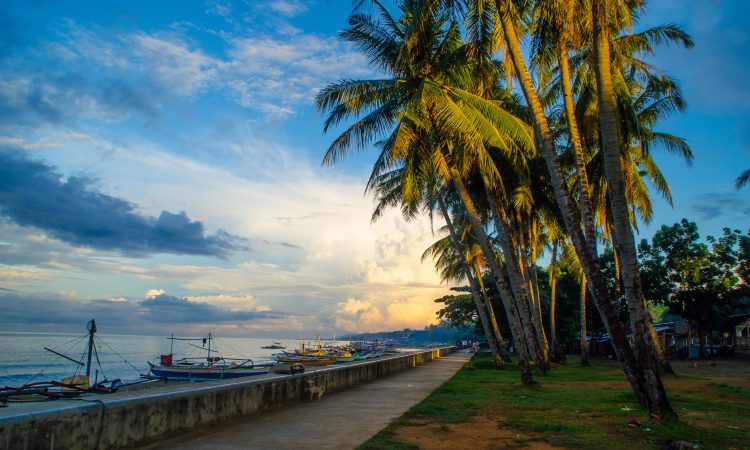
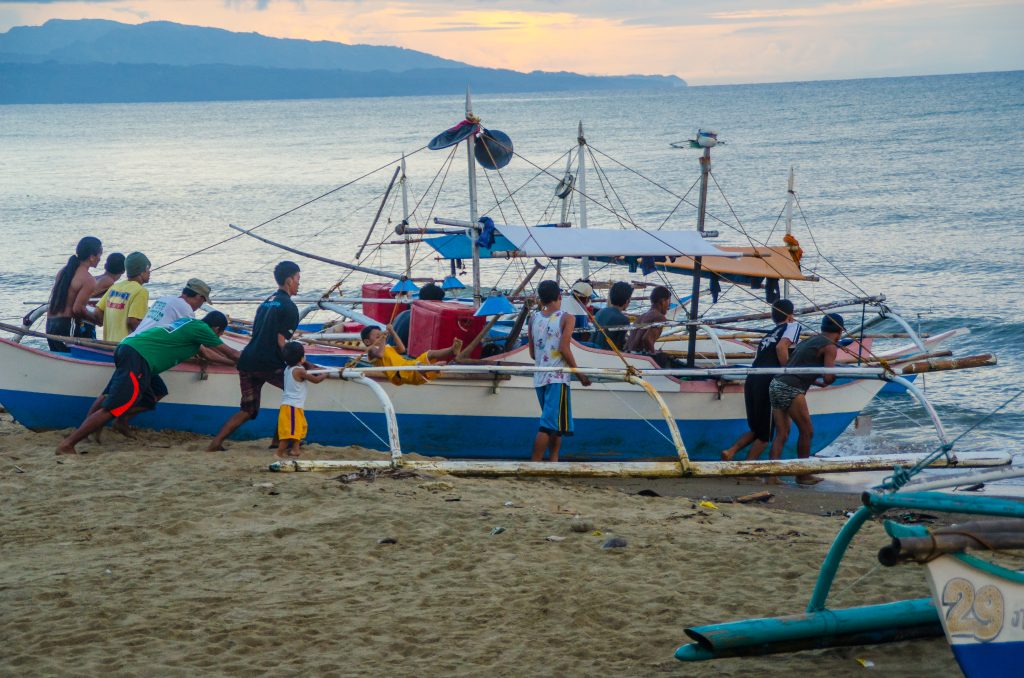
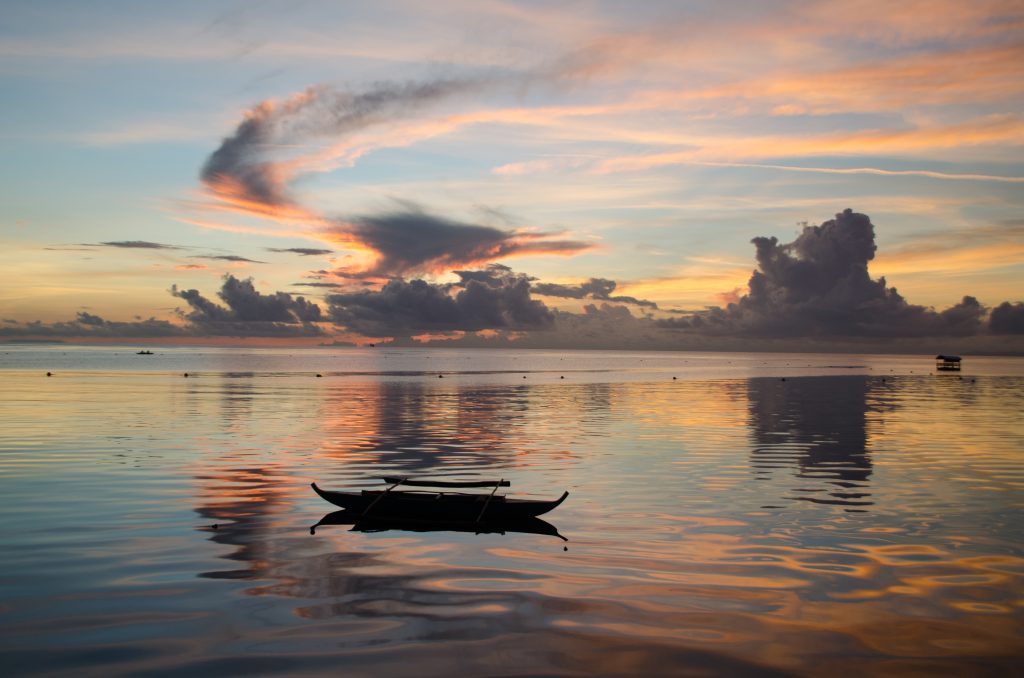
With over 7,000 islands in the Philippines and tens of thousands of miles of coastline, you will soon have your fill of white beaches, Technicolor sunsets, palm trees and fluttering songbirds. Don’t worry about bringing a hammock over with you, though – they sell them pretty much everywhere. The Philippines sells itself as a tropical beach destination, and given the international popularity of El Nido, Boracay and Siargao, it fully meets those expectations.
LOW COST OF LIVING
Let’s face it: Most expatriates living long term in the Philippines are doing so because the (ridiculously) low cost of living. Even with just a modest retirement or salary, one can live quite well in the Philippines. The price of rent, restaurant food, labor and many other commodities and services are geared towards Filipino consumers, who tend to get paid much lower wages than those living in the West. As foreigners, we are able to take advantage of these savings to live well on short money. And even though some might think of this as exploitation, keep in mind that foreign dollars go a long way in boosting the local economy.
THE WOMEN!
The Philippines is home to some of the most beautiful women in the world. Of that, there is no doubt. Add in educated, English-speaking, nurturing and naturally sweet and you can understand what has drawn so many Western men to the Philippines. Given my own circumstances, I would be a total hypocrite if I didn’t mention the fact that older guys have the opportunity to be in the company of younger (and much more attractive) women. I mean, look at me – my wrinkly, follically-challenged self would probably not be married to my much younger and better-looking wife if I was still in the West. It just goes to reason. Now, with that said, if your ONLY reason for living in the Philippines is the women – and you can’t adjust to the negatives of living here and/or come to appreciate the country’s other charms – your stay in the Philippines probably won’t be either long or pleasant.
Jaded Expat: Did he mention the women yet or is he still babbling on about sunsets and cheap hamburgers? Cuz in all reality, those LBFM’s are the only reason to be in the Philippines. (Google: LBFM….) Well, that and the cheap smokes, booze and Viagra….
THE PEOPLE
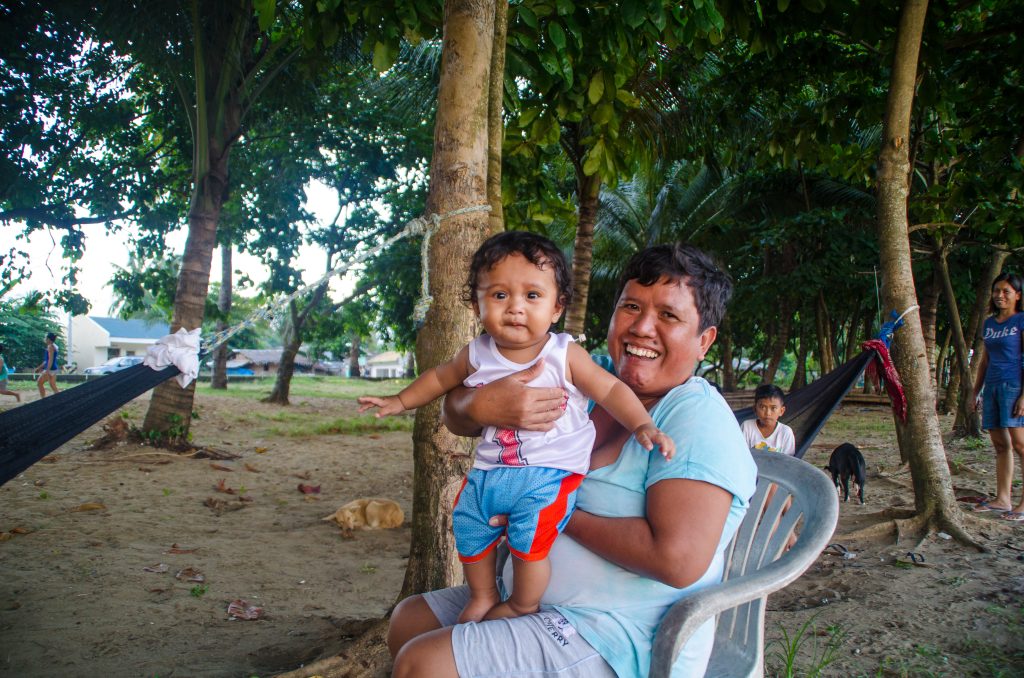
It’s an oft-stated stereotype, but you will generally find Filipinos to be much more friendly and outgoing than folks you have met in the West. I literally had to work on my smile muscles when I first arrived in the Philippines, and I have heard many other foreigners admit the same. Most Filipinos are also fluent in English (in addition to Tagalog and a few other local dialects), so getting yourself understood is usually a breeze. In my time here, I have had nothing but positive experiences with Filipinos – some have even gone well out of their way to offer help in the face of my many mishaps and misadventures. So yeah, as far as stereotypes go, Filipinos are simply going to have to live with the fact that they are perceived as nice people.
As for us Americans…..
2026 checking in – America is a hot, fucking mess.
FREEDOM! (AT A PRICE)
Another draw for many foreigners residing in the Philippines is the amount of personal freedom that local life provides. And I am not speaking of freedom in a Constitutional sense – foreigners here are not allowed freedom of speech when it comes to criticizing the country or government, and we all have to live under the strictures of Filipino law. Instead, I am speaking more along the lines of personal liberty. Specifically, I am referring to those individuals who don’t like the idea of living in a ‘nanny state.’ For although the Philippines has its share of laws, rules, regulations, a good number of them are simply not enforced. Helmet laws are just one example of this. Helmet regulations are a Federal law in the Philippines, but outside of urban areas, they are rarely enforced. Noise statues are similarly not enforced, so if you – or your neighbor – feel like having an Abba karaoke celebration at 1 AM in the morning, have at it, Fernando. Ultimately, however, there is a price for this freedom, especially in the case of the unenforced drunk driving, helmet laws and emission/waste burning laws. But despite the costs to body and mind, a good number of foreigners still appreciate the Wild, Wild West mentality that exists across most of the Philippines. Another thing that foreigners seem to appreciate as well are the lack of expected conventions here in terms of how you look or present yourself. Want to get body piercings or some crazy tattoos on your 80th birthday? Have at it. Don’t feel like wearing shoes? Not a problem. Few of your fellow expats will stand in judgment of you.
Jaded Expat: The only criticism you will likely receive in regards to your appearance is from the old, irrelevant codgers in their sweaty Izods, sandals and knee-high socks. So, fuck’em.
CHEAP TUITION
College tuition in the Philippines is very inexpensive. Typically, you will see costs running from a few thousand pesos a year at the smaller, provincial colleges to higher costs of nearly 400,000 pesos a year ($8,700 USD) at the nation’s prestigious Centre for International Education in Cebu City. College and universities in Manila will also be relatively expensive (locally speaking) but some incredible deals can be found in smaller cities throughout the Philippines. Silliman University, for example, is a college in Dumaguete City that hosts a large population of international students. Some American students are taking their pre-med degree requirements there for only $3,200 a year and will transfer those credits back to the US where they will complete their doctorates. Other students are paying even less than that at Silliman for business administration, marketing, physical therapy and marine science degrees. For former US military, note that three of the colleges in Dumaguete – Foundation, NORSU and Silliman – are accredited by the Veterans Administration, so you will also find a good number of American students attending under the military GI Bill. Combine that tuition savings (and veteran living allowances) with the low cost of living, and these young foreigners are saving themselves (and their families) a massive amount of money while gaining transferrable degrees to the West.
Jaded Expat: OK, now that Ned has wrapped up his sappy Philippines sales pitch, let me chime in with a more realistic breakdown of what he just covered:
The weather: It sucks – it’s always too hot or too wet. Or an icky combination thereof. Air-conditioning is a must.
Visas: All ya need is a passport and a pulse. They’ll let ANYONE in here. And when you start rubbing elbows with other foreigners, you’ll know what I mean.
Vacation Destination: This accounts for all the frikken Koreans and Chinese overrunning the islands like fleas on a street hound.
Margaritaville: All the islands and towns look the same – sad and run-down.
Low Cost of Living: Lower cost of living? Sure. Lower standards of living? Definitely!
The Women: Smoking hot – Five Alarm Smoke Shows. Awwwwooooooo!!
The People: Small, brown and black haired. Enjoy long naps and coconut wine.
Freedom: There’s always a price to be paid…
Cheap Tuition: This is also good for all those old foreigners supporting their ‘girlfriend’s’ school bills.

You hit the nail on the head here I think. The Philippines has lost a few steps to nearby countries for sure ! Ned no longer doing YouTubes ? When did he stop ? …why did he stop , he seemed to enjoy them . The Philippines has become a challenge to live in . Yes, the people they let into the country has to be seriously looked at ! The number of Chinese running illegal businesses is over the top ! Koreans are everywhere and annoying with their abusive attitude and actions ! Used to be my first pick in SE Asia …now my 7th pick ! Too many issues to list now .
We do videos every now and then but not grinding content just to keep up with the algorithm. Social media has turned into a contagion, and we are just spending our time raising our family here. Thanks for the comment.
Hi, I really enjoyed your writing. Thanks, Vincent
Why thank you. Glad you like it!